

You’ll probably end up picking depth over dash in 2026. Slow travel lets you really see a place by sticking around, chatting with locals, and ditching the stress of crammed schedules.
It saves all that time you’d waste packing and moving, gives you real cultural moments, and usually shrinks your carbon footprint — so your trips feel richer and honestly, just better for the planet.
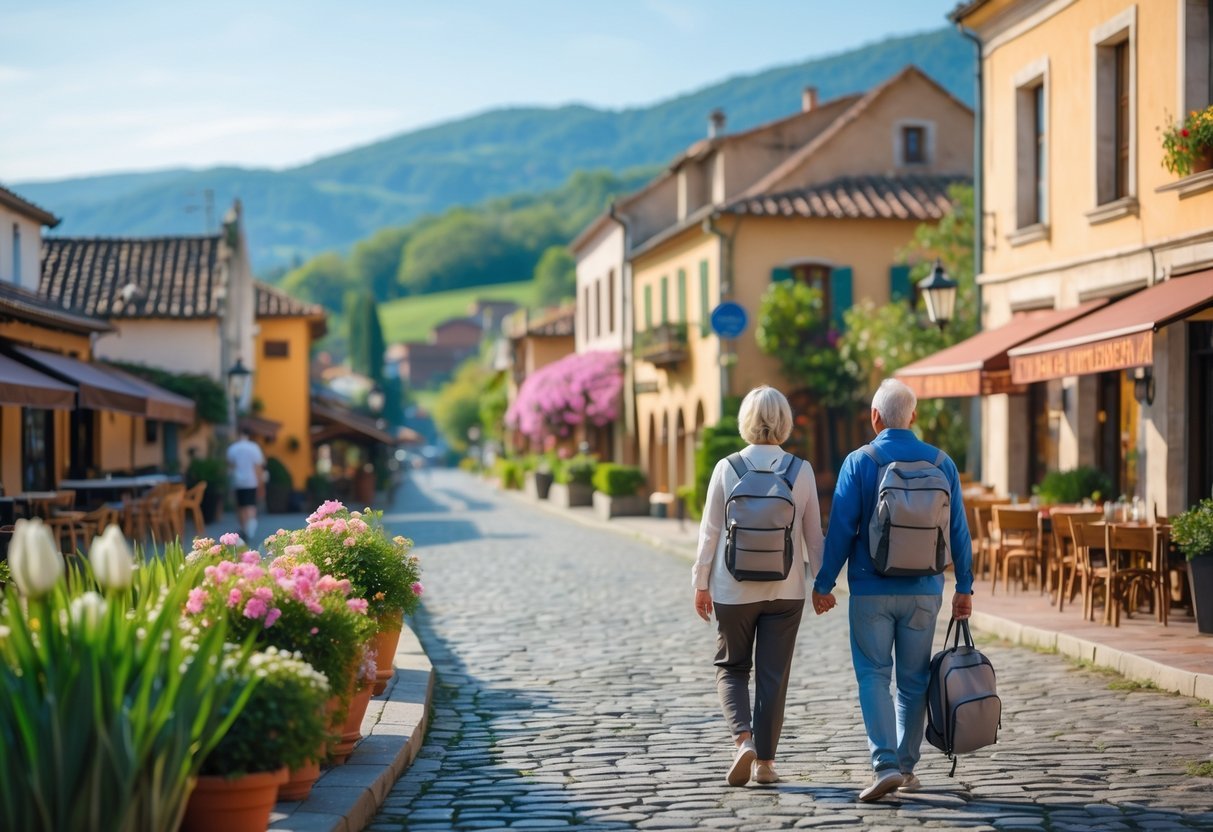
This post digs into why the slow travel movement is booming, how to plan those longer, quieter stays, and where to go if you want eco-friendly, immersive experiences that actually fit your values.
Get some practical ideas for mindful, long-stay trips, cultural exchanges, and destinations that let you travel with purpose—without just checking boxes.
The 2026 Slow Travel Trend: Why More Travelers Are Embracing a Slower Pace
More people are chasing longer stays and deeper cultural immersion. There are more ways than ever to cut carbon, build local ties, and make travel feel meaningful.
Why Travelers Are Shifting Toward Slow Travel
People want trips that feel restful and real, not like a race. With rising flight costs and the headache of quick turnarounds, it just makes sense to book fewer trips but stay longer.
Longer stays mean you can get into the rhythm of daily life—shopping at neighborhood markets, maybe even picking up a few words of the local language. Technology helps a lot; AI and curated guides make it easier to plan a single, richer stay instead of bouncing all over the map.
You might end up with better memories, better photos, and honestly, a better deal for your travel budget.
Overtourism and the Rise of Conscious Travel
Let’s be real: nobody wants to fight crowds at packed beaches or landmarks. Slow travel spreads visitor impact, nudging people toward off-peak visits and multi-week stays in less obvious places.
This takes the pressure off fragile sites and actually makes your experience better. Conscious travel is about picking places that benefit from you being there—family-run guesthouses, local guides, and real community projects.
Your choices help keep culture alive and make sure your money stays with locals, not just big tourism chains.
Benefits of Staying Longer in One Place
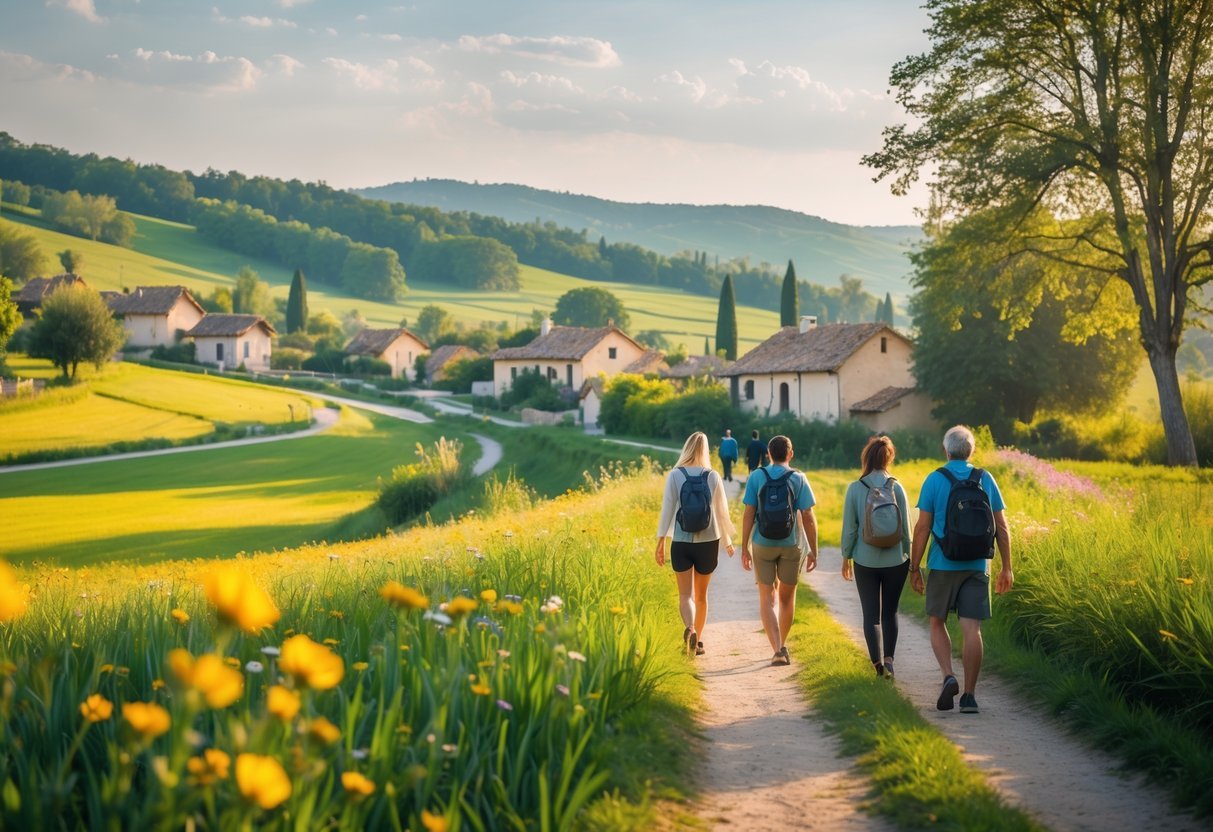
Staying longer really changes how you see things. You get time to make friends, try home-cooked food, and stumble into seasonal events you’d never know about on a quick trip.
There are practical perks too: lower daily costs, less time wasted on transport, and a slower pace that’s just easier on your body and mind.
When you stop rushing, you can volunteer, take a cooking class, or just explore nearby villages by bike. That kind of involvement sticks with you way longer than crossing another sight off a list.
The Role of Sustainability and Eco-Friendly Choices
Slow travel is probably one of the best ways to cut your environmental footprint. Fewer flights, more trains or buses, and longer stays all reduce emissions per trip.
Staying with locals and supporting small businesses lowers waste and backs sustainable practices. You can book eco-certified places, join small-group tours, and skip single-use plastics.
Try visiting up-and-coming destinations to take the heat off popular spots. All these choices line up with your values and help protect the places you care about.
How to Experience Slow, Mindful, and Immersive Travel in 2026
Slow travel is about spending more time in one spot, connecting with locals, and choosing experiences that actually matter to you. You’ll go for eco-friendly stays, longer itineraries, and activities that let you learn, rest, or even give back a little.
Immersive Travel Experiences and Cultural Connections
Pick homestays, small guesthouses, or local guest farms—places where you can live like a resident for a bit. If you can, stay two weeks or more so you can join community events, take a cooking class, or try your hand at a craft workshop.
Learning a few local phrases before you go? It’s a small effort, but it shows respect and opens up real conversations. Volunteer or book experiences run by community groups so your time and money help locals directly.
Use local guides for walking tours and food trips—they’ll give you context no guidebook can. On road trips, slow it down: two or three nights per stop lets you see more than just the main sights.
Mindful Travel Movement and Personal Well-Being
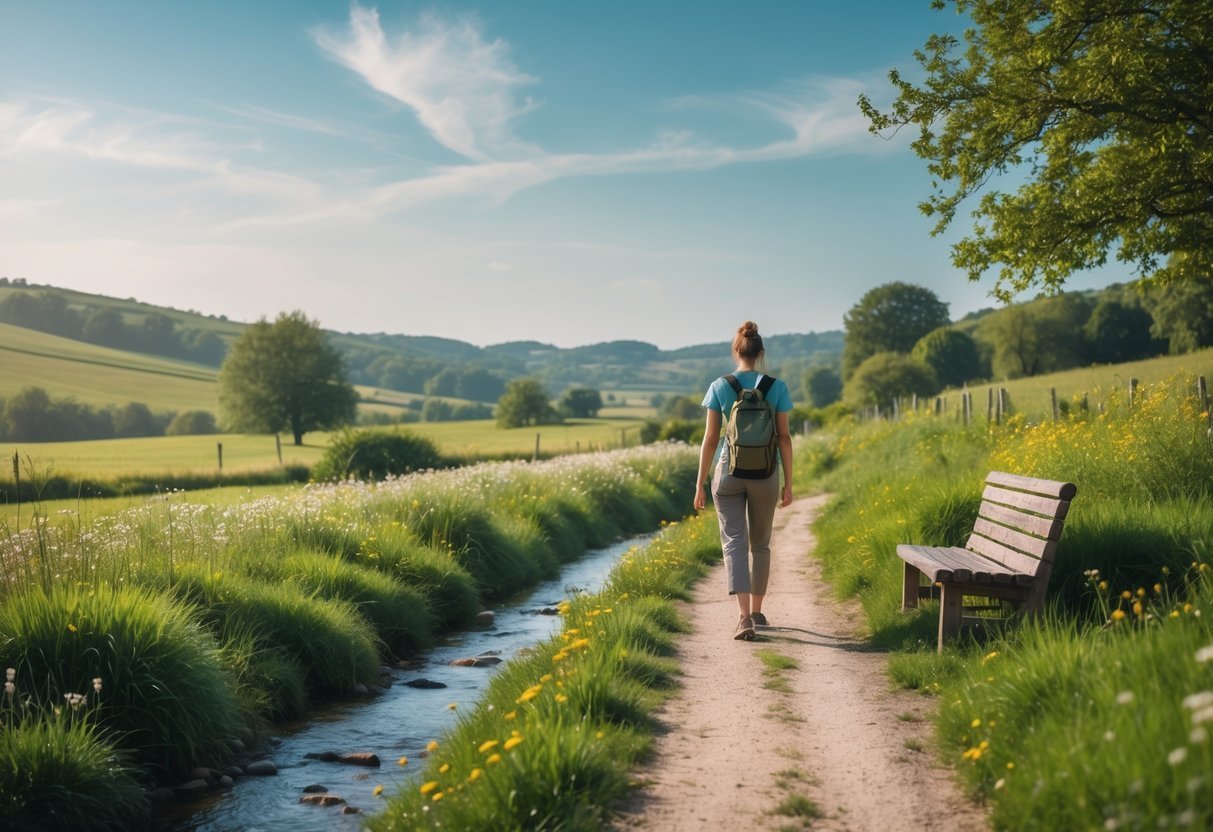
Don’t forget yourself in the process. Prioritize sleep, movement, and some digital downtime.
Maybe set aside mornings for yoga, journaling, or even a reading retreat—something that lets you actually finish a book and reflect. Limit social media to a single check-in a day so you’re not glued to your phone during meals or conversations.
Look for places with gardens, meditation spaces, or guided nature walks. Build in buffer days between big moves to avoid the dreaded travel stress.
Honestly, track your energy, not your itinerary. If you’re tired, just stay put a little longer instead of forcing yourself to rush on.
Sustainable Destinations and Eco-Friendly Tourism
Choose places that protect nature and give back to communities, like national park towns, regenerative farms, or small islands with clear visitor rules. Check for certifications or conservation partnerships when you book tours and stays.
On the transport front, go for trains, electric ferries, or hybrid rentals when possible. Pack your own reusable water bottle, cutlery, and bag—single-use plastics are out.
Try to support businesses that hire locals and source food from nearby farms. That way, your spending helps shrink carbon footprints and keeps money in the community.
In the end, slow travel isn’t just a trend—it’s a mindset shift. It’s about valuing experiences over checklists, and making choices that feel good for you and the places you visit. Maybe it’s not for everyone, but if you’re after deeper memories, real connections, and a lighter footprint, it’s hard to beat. Here’s hoping 2026 brings more of that for all of us.
Long Stay and Literary Travel Ideas for Unique Getaways
Book a month in a small coastal town, mountain village, or tucked-away city neighborhood. You’ll start to build daily habits and maybe even make a few local friends along the way.
Try arranging a writing or reading retreat. A lot of guesthouses and B&Bs host focused weeks—sometimes you can join group readings, other times it’s just quiet study time with likeminded folks.
Mix things up by combining literary travel with slow exploration. Check out local libraries, small presses, or even the homes of famous authors if they’re nearby.
With a long stay, you’ve got time for day trips by train or just a relaxed road trip loop. It’s nice to return each night to the same cozy base instead of constantly packing up.
If you’re a book lover, why not create a reading list inspired by your destination? Leaving reviews or a small donation at local literary spaces is a thoughtful touch too.
Honestly, there’s something special about sinking into a place and its stories at your own pace. If you ask me, that’s the kind of getaway that sticks with you long after you leave.
Top Slow Travel Destinations for 2026
- Portugal’s Alentejo Region – Rolling hills, tiny villages, and slow food culture. You’ll find plenty of time for wine, olive oil tastings, and chatting with locals.
- Japan’s Shikoku Island – Fewer crowds, pilgrimage trails, and peaceful countryside. Stay in family-run inns and join seasonal festivals.
- Slovenia’s Lake Bled and Beyond – Eco-lodges, cycling routes, and lakeside towns. It’s easy to take it slow and soak up the scenery.
- Uruguay’s Rocha Coast – Laid-back beach towns, nature reserves, and local ranch stays. Perfect for unplugging and connecting with the land.
- Canada’s Gulf Islands – Ferry-hop between islands, visit artist studios, and hike forest trails. Community-focused and full of local flavor.
- Italy’s Le Marche – Less touristy than Tuscany, with rolling hills, medieval towns, and family farms. It’s all about slow food and even slower days.
Conclusion
Honestly, slow travel isn’t just a trend—it’s a mindset shift. In 2026, more of us are looking for trips that leave us feeling rested, connected, and maybe even a little changed.
By staying longer, choosing eco-friendly options, and digging into the real rhythms of a place, you’ll not only get more out of your travels—you’ll help make the world a little better, too.
So, where will your slow journey take you next? Maybe it’s time to find out.
This gave me a lot to think about. Thanks for sharing.
I never thought about it that way before. Great insight!
Great job simplifying something so complex.
Your writing style makes complex ideas so easy to digest.
I agree with your point of view and found this very insightful.
So simple, yet so impactful. Well written!
Wishing you a happy day, every day!
I just like the helpful information you provide in your articles
Well presented perspective on worldwide supply networks
I appreciate the honesty and openness in your writing.
Great post! I’m going to share this with a friend.
Posts like this are why I keep coming back. It’s rare to find content that’s simple, practical, and not full of fluff.
This article came at the perfect time for me.
I always look forward to your posts. Keep it coming!
I appreciate the depth and clarity of this post.
This was so insightful. I took notes while reading!
Your thoughts are always so well-organized and presented.
I love how clearly you explained everything. Thanks for this.
This was very well laid out and easy to follow.
I appreciate the depth and clarity of this post.
This article came at the perfect time for me.