

Visiting London for the first time? It’s easy to feel overwhelmed—there’s just so much packed into this city. From those iconic landmarks to the maze of public transport, knowing what’s ahead can really make your trip less stressful and, honestly, way more fun.
The secret to a great first visit? Get familiar with essential tips for getting around, must-see sights, and the classic rookie mistakes you’ll want to dodge before you even land.
Planning your London itinerary is a bit of an art—try to mix the big sights with some practical travel advice. Little things like figuring out the Oyster card or knowing when to hit the busiest attractions can save you both time and cash.
It helps to get a handle on basic UK travel customs and pick a neighborhood that actually suits your vibe. That way, you won’t waste your first day just settling in.
This guide? It’s here to give you the kind of advice that makes your first London trip go smoother. Whether you’re chasing museums, craving local food, or just want to get a feel for the city, these tips cover what you really need to know.
Essential Things to Know Before Your First London Trip
London’s huge and honestly, it can be a bit chaotic. Knowing when to go, where to stay, and how to get from the airport will help you avoid a lot of headaches.
Plan for the weather, pick a neighborhood that fits your style, and figure out the best way to get around once you’re here. Sounds simple, but it makes a difference.
Best Time to Visit London and Weather Tips
The best time to visit London? Late spring (May to June) or early autumn (September). The weather’s usually mild, and it’s not as packed with tourists as summer.
Summers can be lovely, but you’ll want to pack an umbrella just in case—rain shows up when you least expect it. Winter is cold and wet, but if you’re into Christmas lights and markets, it’s honestly magical.
You’ll need warm layers and waterproof shoes for winter. London’s weather flips fast, so dressing in layers is just smart.
The currency is the pound sterling (£). Most places take cards, but I’d keep a bit of cash for tiny shops or markets—just in case.
Key London Neighborhoods for First-Time Visitors
Central London is where you’ll find most of the big sights. Mayfair is all about luxury shops and fancy restaurants.
South Kensington? Perfect if you’re into museums like the Natural History Museum. Notting Hill’s got colorful streets, chill markets, and some really good food spots.
If you’re after green space, Hyde Park and Richmond Park are both lovely for a walk or a picnic. Every neighborhood’s got its own thing going on, so pick one that matches what you’re after—museums, shopping, parks, or maybe just a good local market.
Where to Stay in London: Choosing the Right Area
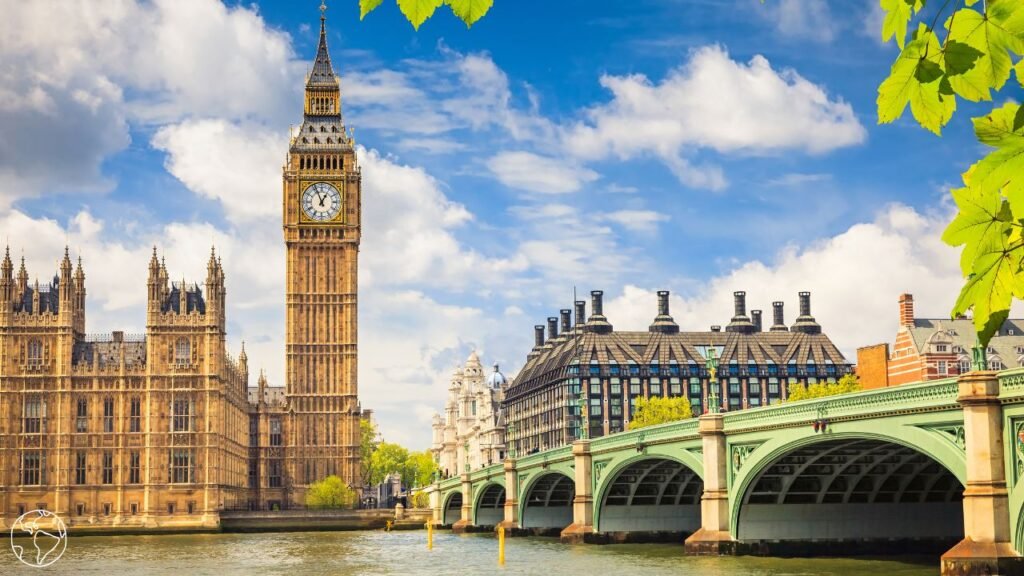
Want to be close to the main attractions? Stick with Central London. Westminster puts you right near Big Ben and Buckingham Palace.
For families or museum fans, South Kensington’s a solid bet. Notting Hill is super charming, though it’s a bit farther from some of the big sights.
Book early if you want a spot near Hyde Park, especially during busy seasons. There’s a range of hotels—from budget to splurge—so you can find something that works for your wallet.
Staying near a Tube station is a game-changer. Trust me, you’ll thank yourself when your feet are tired.
How to Get from London Airports to the City
Heathrow Airport is the main one for most travelers. The Heathrow Express gets you to Paddington Station in about 15 minutes—super fast, but not cheap.
The Tube’s Piccadilly Line is way more affordable, though it takes a bit longer. Gatwick Airport? Hop on the Gatwick Express to Victoria Station—about half an hour.
You can also take slower trains or buses from Gatwick if you’re watching your budget. Stansted’s a bit of a trek, but the Stansted Express to Liverpool Street Station is straightforward (around 45 minutes).
London City Airport is closest to the financial district, and you can get into central London quickly on the DLR or Tube. If you’re coming in by train from Europe, the Eurostar drops you at St Pancras International—right in the middle of things.
Critical London Travel Tips and Mistakes to Avoid
Getting around London efficiently is a game of strategy. Knowing which attractions are worth your time, picking up on local customs, and sidestepping classic mistakes can save you a lot of hassle.
These tips cover transport, must-see spots, a bit of etiquette, and those things first-timers always wish they’d known ahead of time.
Getting Around London: Transport Basics and Oyster Card
The London Underground (Tube) is usually the fastest way to zip around. It covers most of the touristy areas, but if you can, skip rush hour (7-9 AM and 5-7 PM)—it’s seriously crowded.
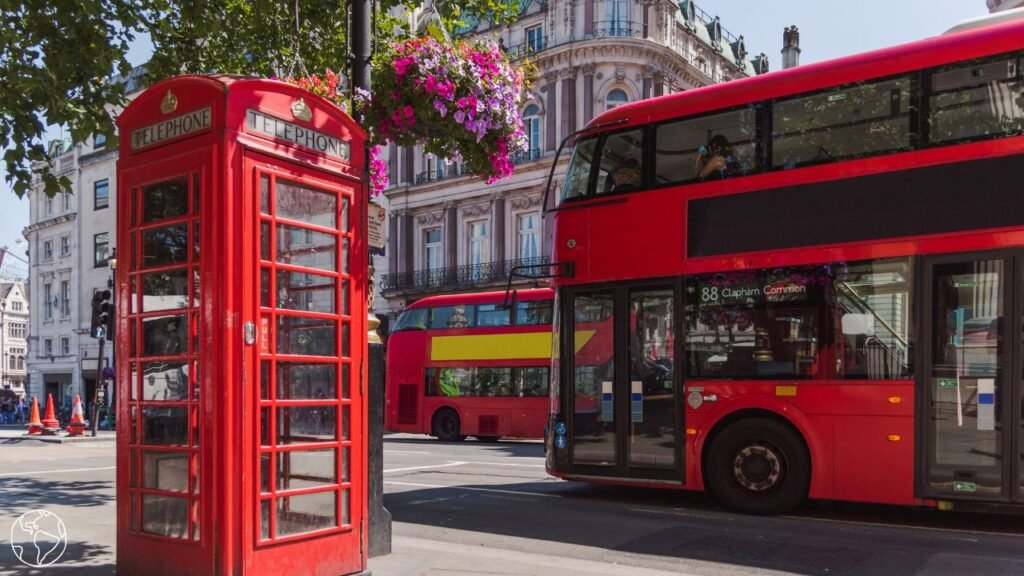
Buses are slower thanks to traffic, but you’ll get a cool view of the city from the top deck. Before you do anything, grab an Oyster card—either online, at the airport, or at a station.
It works for tubes, buses, trams, and even some riverboats. It’s cheaper than buying single tickets, and topping up is easy at stations or online.
For short trips or just cruising around, the Santander Cycles (or Boris Bikes, if you like nicknames) are fun and affordable. They’re perfect for parks like Green Park or neighborhoods like Covent Garden.
Wear a helmet, and maybe skip the busiest roads unless you’re a confident cyclist. London drivers can be, uh, assertive.
Famous London Attractions and Experiences for Beginners
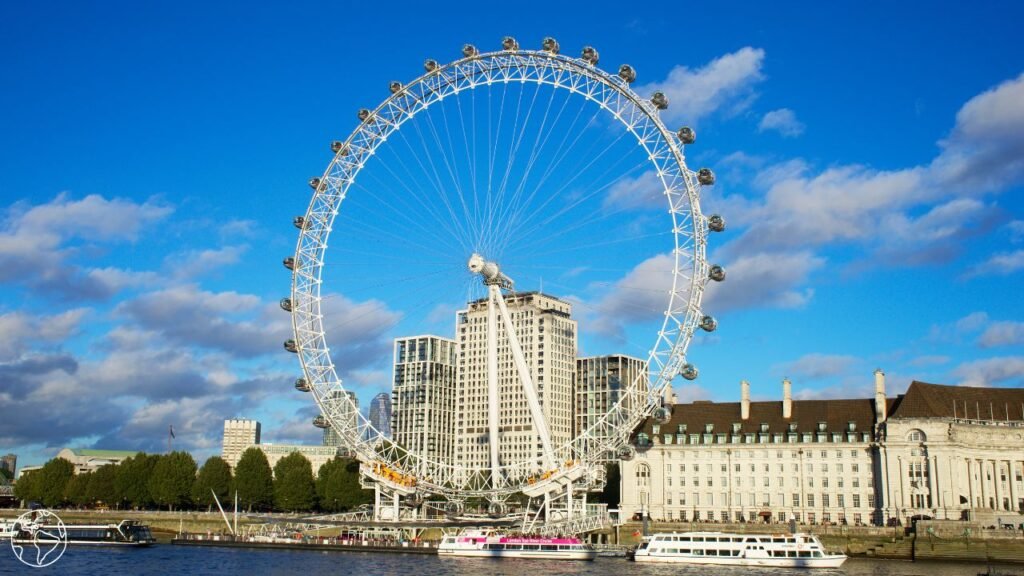
You can’t skip Buckingham Palace (try to catch the Changing of the Guard) or Big Ben near Westminster Abbey. The Tower of London is packed with history and the Crown Jewels, while the London Eye gives you that killer skyline view.
The British Museum and Natural History Museum are both free and honestly, they’re worth a wander even if you’re not a museum person. Art lovers should check out the Tate Modern and National Gallery—top-notch stuff.
Time management is key. If you’re planning to hit a bunch of paid attractions, a London Pass might save you money, though it’s not always a slam dunk.
Markets like Borough and Portobello Road are great for local food and shopping—don’t skip them if you want to see the city’s real flavor.
London Etiquette and Cultural Advice
On the tube, stand on the right side of escalators and walk on the left. Let people off the train before you hop on—Londoners are strict about this, and you’ll get the side-eye if you forget.
At pubs, you’ll need to order at the bar (don’t just sit and wait). Keep your voice down on public transport, and give people a bit of space—personal bubbles are a thing here.
Trying local favorites like fish and chips, afternoon tea, or a traditional English breakfast is a must. When you’re in parks like Regent’s Park or St James’s Park, don’t feed the ducks or leave trash—Londoners take pride in their green spaces.
Honestly, London can be a lot on your first go, but that’s part of the adventure. If you plan ahead, stay flexible, and embrace the quirks, you’ll leave with stories worth telling. The city’s energy is contagious—just let yourself get swept up in it, and you’ll see why so many people fall in love with London on their very first visit.
Top Things Travelers Wish They Knew Before Visiting
Avoid cramming too many sights into a single day—London’s way bigger and honestly, things just move at their own pace. Give yourself a chance to wander those side streets; you might stumble onto a less touristy area that ends up being your favorite spot.
Keep a bit of cash on hand for tiny purchases, but most places take cards. If you’re hungry, skip the obvious tourist traps near major sights and look for places where locals actually eat or shop.
Seriously, download apps for the Tube, buses, and maps before you get there—it saves a lot of confusion. Oh, and bring decent walking shoes; trust me, you’ll end up walking much more than you planned, especially between places like St Paul’s Cathedral and Trafalgar Square.
Don’t forget to check opening times for attractions. Booking tickets ahead can save you from a lot of disappointment.
In the end, a little flexibility and curiosity go a long way in London. Let yourself get a bit lost—sometimes that’s where the best memories are made.



My brother suggested I might like this blog He was totally right This post actually made my day You can not imagine simply how much time I had spent for this info Thanks