So you’ve decided to spend a whole week in Rimini. Excellent choice. This is a city that somehow manages to be a beach resort, a Roman history lesson, and the birthplace of Federico Fellini’s wildest daydreams, all at once — like if the Adriatic Sea and a Renaissance fresco had a very charming baby.
A week is genuinely the perfect amount of time here. Any less and you’re stuck choosing between the beach and the history. Any more and you’ll start recognizing the same three seagulls every morning. Seven days lets you do it all: melt into beach mode, wander around cobbled streets pretending you understand Renaissance architecture, and take a few day trips into the hills where the views are so good they should probably be illegal. Here’s how to spend it.
Day 1: Just Breathe (And Maybe a Spritz)
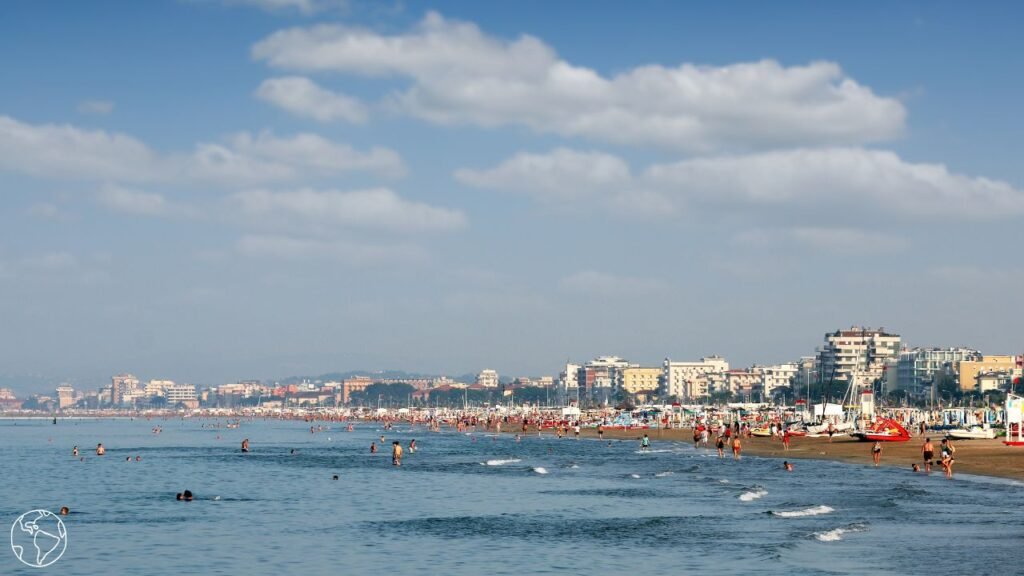
Do not, under any circumstances, try to see the entire city on day one. You just traveled. You are tired. Your suitcase is judging you. Check into your hotel, unpack the bare minimum, and head straight for Marina Centro, Rimini’s main beach strip, for your first dip in the sea. Grab a lounger at one of the beach clubs if you want the full “I am on vacation” experience, or just throw a towel down on one of the free public stretches — either way, the water doesn’t care what you paid for it.
As evening rolls around, wander over to Piazza Cavour for an aperitivo. This square has been the social heart of Rimini forever, and sitting there with a spritz watching everyone else do the exact same thing is, frankly, one of the best ways to feel instantly at home in a new city. Everything here is walkable — the beach, the square, your hotel — so there’s zero logistics to worry about. Just vibes.
Day 2: History, But Make It Fun
Today you become a temporary expert in Renaissance architecture. Start at the Tempio Malatestiano, a church so ambitious it was basically a Renaissance ruler’s way of saying “look what I built.” Designed by Leon Battista Alberti with frescoes inside by Piero della Francesca, it’s the kind of building that rewards slowing down — give it a proper hour, not a drive-by glance.
From there, stroll to the Augustus Arch, the oldest Roman arch still standing in northern Italy, then just let yourself wander. Rimini’s old town is small enough that getting lost only costs you ten minutes and gets you a gelato, not a panic attack.
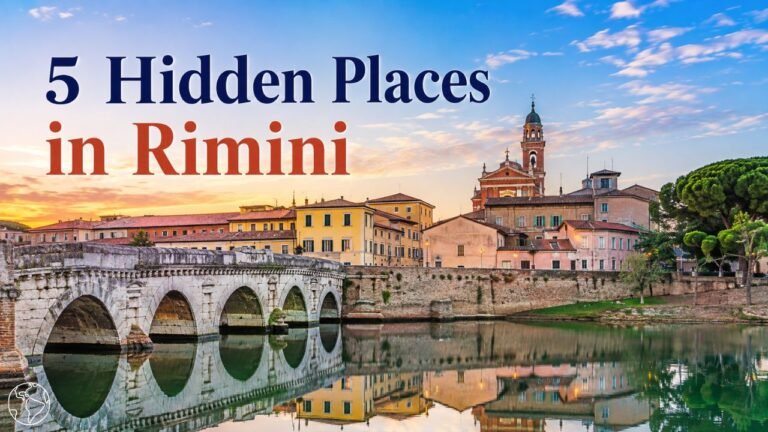
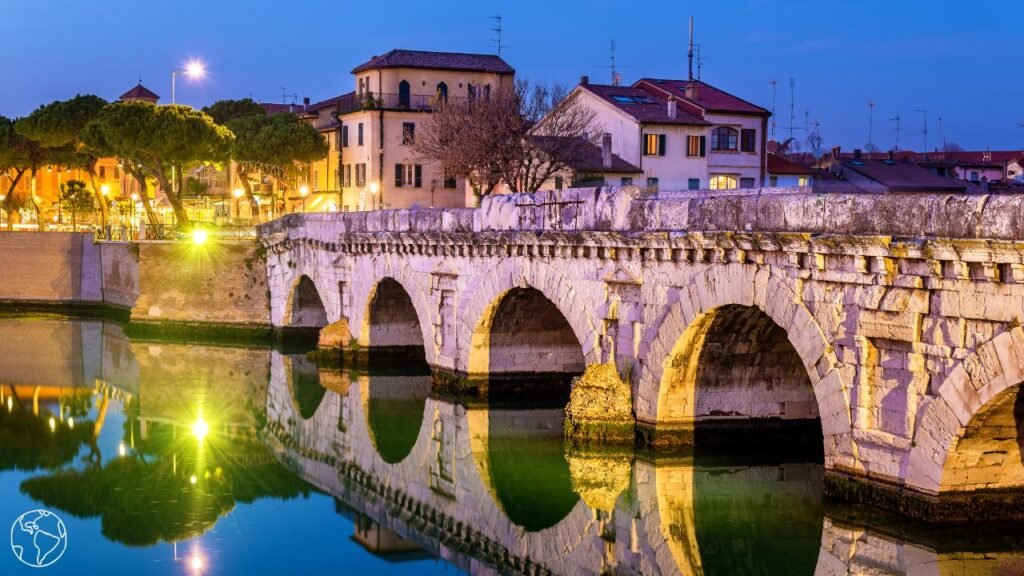
By afternoon, make your way to the Tiberius Bridge, a Roman bridge that has been in continuous use since the year 21 AD. Let that sink in for a second — this bridge has outlasted empires, and it’s still just casually handling foot traffic and the occasional Fiat. Cross it into Borgo San Giuliano, the old fishing quarter turned open-air gallery, where every wall seems to have a mural dedicated to Fellini. Have dinner here — pick any trattoria with tables outside, order a piadina, and don’t overthink it. The whole day is doable entirely on foot, so leave the car (and the stress) behind.
Day 3: The Beach, Then Something Magical
You earned a lazy day. Spend the morning and afternoon doing absolutely nothing productive on the beach — that’s the assignment. If you get restless, most beach clubs rent kayaks or paddleboards, but honestly, restlessness is optional here.
Here’s the twist: as the sun starts to dip, skip the crowded beachfront sunset-watching and instead grab a bottle of Sangiovese, some squacquerone cheese, and a piadina or two, and head to Parco XXV Aprile. It’s a small riverside park most tourists never find, and from there you’ll watch the Tiberius Bridge glow gold and pink in the water — genuinely one of the most romantic, unplanned-feeling moments Rimini has to offer. It’s a fifteen-minute walk from the beach. Bring a blanket.
Day 4: Sneak Into Another Country
Today, without a passport check or even much effort, you’re visiting an entire other country: San Marino, the world’s oldest republic, perched dramatically on a hilltop about 45 minutes away. There’s no train up there (mountains don’t care about your convenience), so the easiest option is the shuttle bus that departs from near Rimini’s train station — buy your ticket at the little kiosk by Piazzale Cesare Battisti, hop on, and about 50 minutes later you’re climbing around medieval fortresses with sweeping Adriatic views. If you’d rather drive, it’s about 25–30 minutes by car, though you’ll need to park outside the old town itself since it’s pedestrian-only.
Explore the three towers along the ridge, walk the fortress walls, and grab lunch somewhere with a view — you’ll want a plate of passatelli in brodo. If you parked in Borgo Maggiore, take the cable car up for the ride alone; it’s touristy in the best way.
Day 5: Two Hill Towns, One Very Good Day
This is your car-rental day (or at least your “let’s just get a taxi for a few hours” day) — you’re combining Santarcangelo di Romagna and Verucchio, two medieval hill towns about eight kilometers apart. Santarcangelo has a wonderfully preserved old center and a network of ancient caves carved right into the tufa rock underneath the town, some now used as wine cellars, because priorities. Wander, have lunch, then head over to Verucchio, perched on a rocky spur with views over the whole Marecchia valley and a fortress with a genuinely dramatic backstory.
Public buses connect Rimini to Santarcangelo easily enough, but hopping between the two towns without your own wheels is trickier since the connecting buses run infrequently. If you don’t want to bother with a car, just pick one town and make it a relaxed half-day instead.
Day 6: The Most Dramatic Views of the Trip
Save San Leo for near the end — it deserves it. This tiny village sits on top of a sheer rock outcrop, with a fortress so dramatic it looks designed for a movie set (it once actually imprisoned the famous occultist Cagliostro, so the drama is not exaggerated). The views from the ramparts are worth the whole trip on their own.
It’s about 50 minutes from Rimini, best reached by car since the bus service is limited and easy to miss. Wander the tiny center, poke into the Romanesque church, and have a slow lunch. Back in Rimini that evening, if the local market happens to be running, swing by for fresh produce and cheese — a lovely, low-key contrast after a morning spent among medieval stone walls.
Day 7: One Last Look
Ease into your final day instead of rushing it. Browse the local market or duck into the little bookshop at Piazzetta Gregorio da Rimini — Rimini’s oldest — for a last souvenir that isn’t a magnet. Squeeze in one more swim, one more gelato, one more long look at that Adriatic horizon before heading to the airport, where the Metromare will whisk you there in under fifteen minutes.
A Few Honest Tips Before You Go
Skip the big water parks unless traveling with kids — fun, but generic. Don’t try to cram two hill towns and a beach day into twenty-four hours; Rimini rewards a slower pace, and you’ll just end up cranky in a car. Eat piadina constantly, no judgment. And book your bus tickets in advance from a tabaccheria rather than hoping the driver sells them — trust me on this one.
Rimini gives you more in a week than most cities manage in a month: beach, Roman ruins, Renaissance art, hilltop republics, and enough piadina to require a slightly bigger suitcase home. Go easy, wander often, and let the seagulls have their beach.